DNA CREATE
The Exhibition

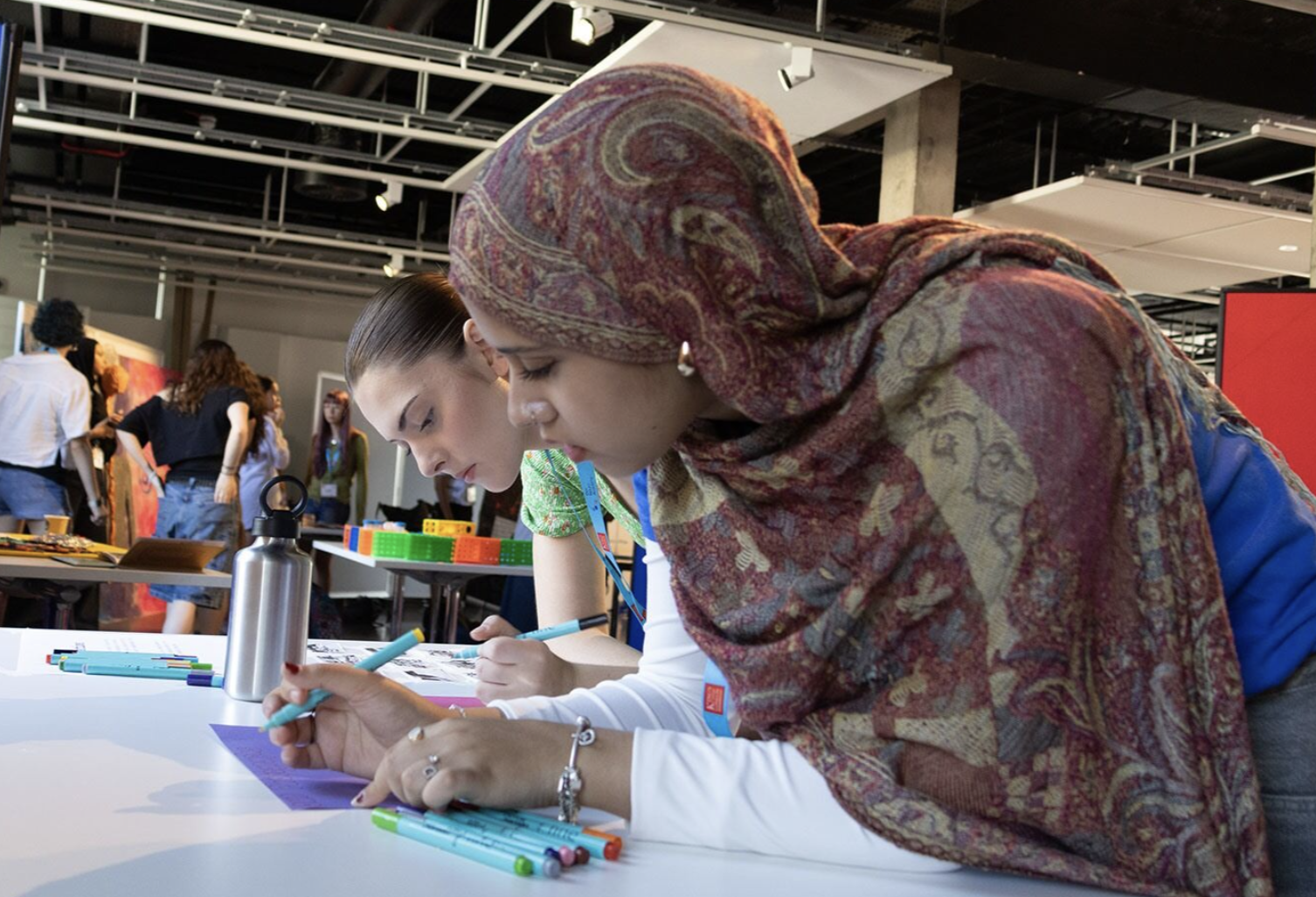
Over the DNA CREATE week participants worked in small groups to produce creative projects: creative experiences, artworks, and pieces of creative science communication.
Each project explored a particular neuroscience theme, and all the projects were showcased at a public exhibition in the Exhibition Space at the Science Gallery, our final event of the DNA CREATE week. The exhibition also incorporated a Q&A and short presentations, where participants could reflect on their experience across the week and what they had learnt.
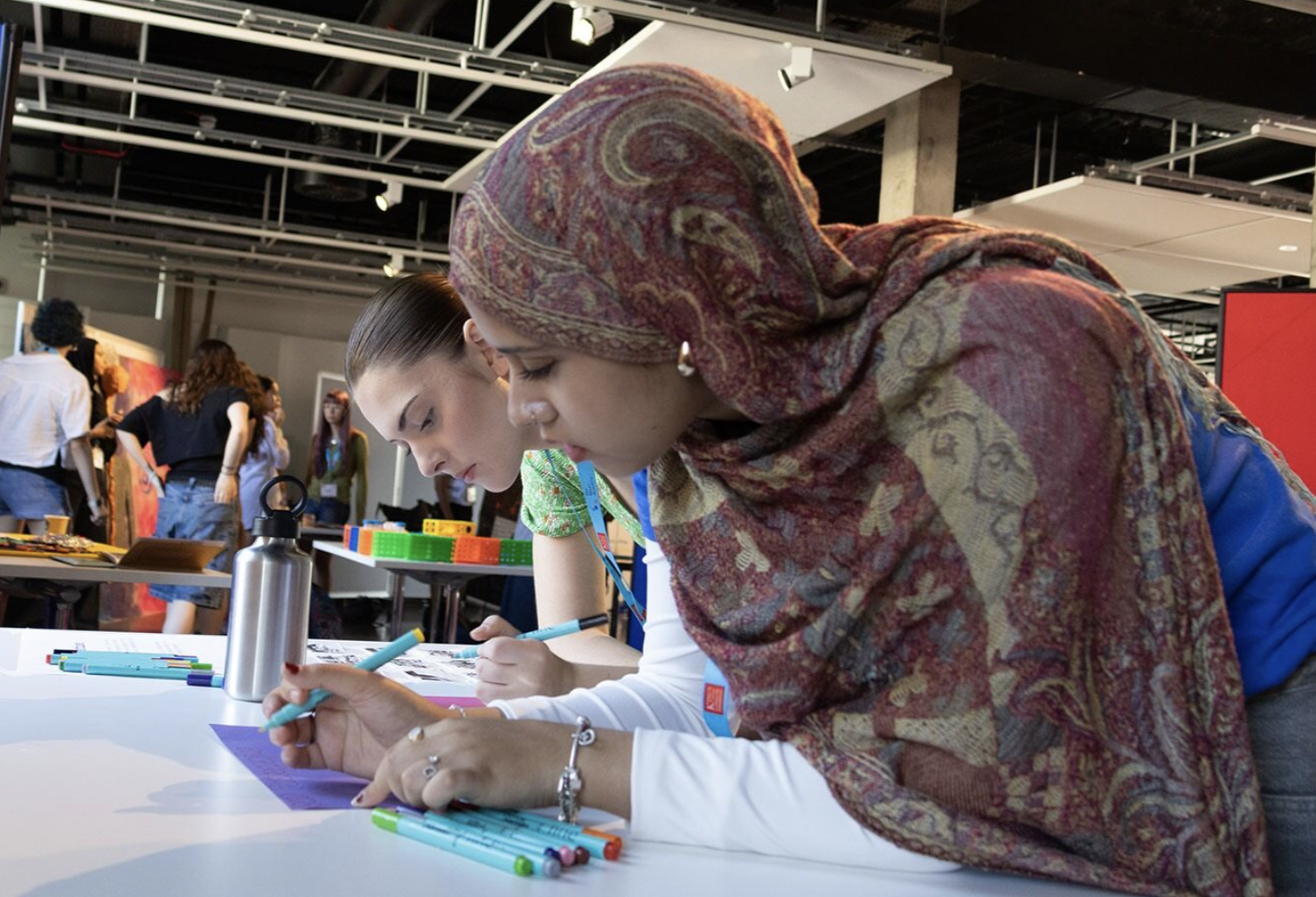
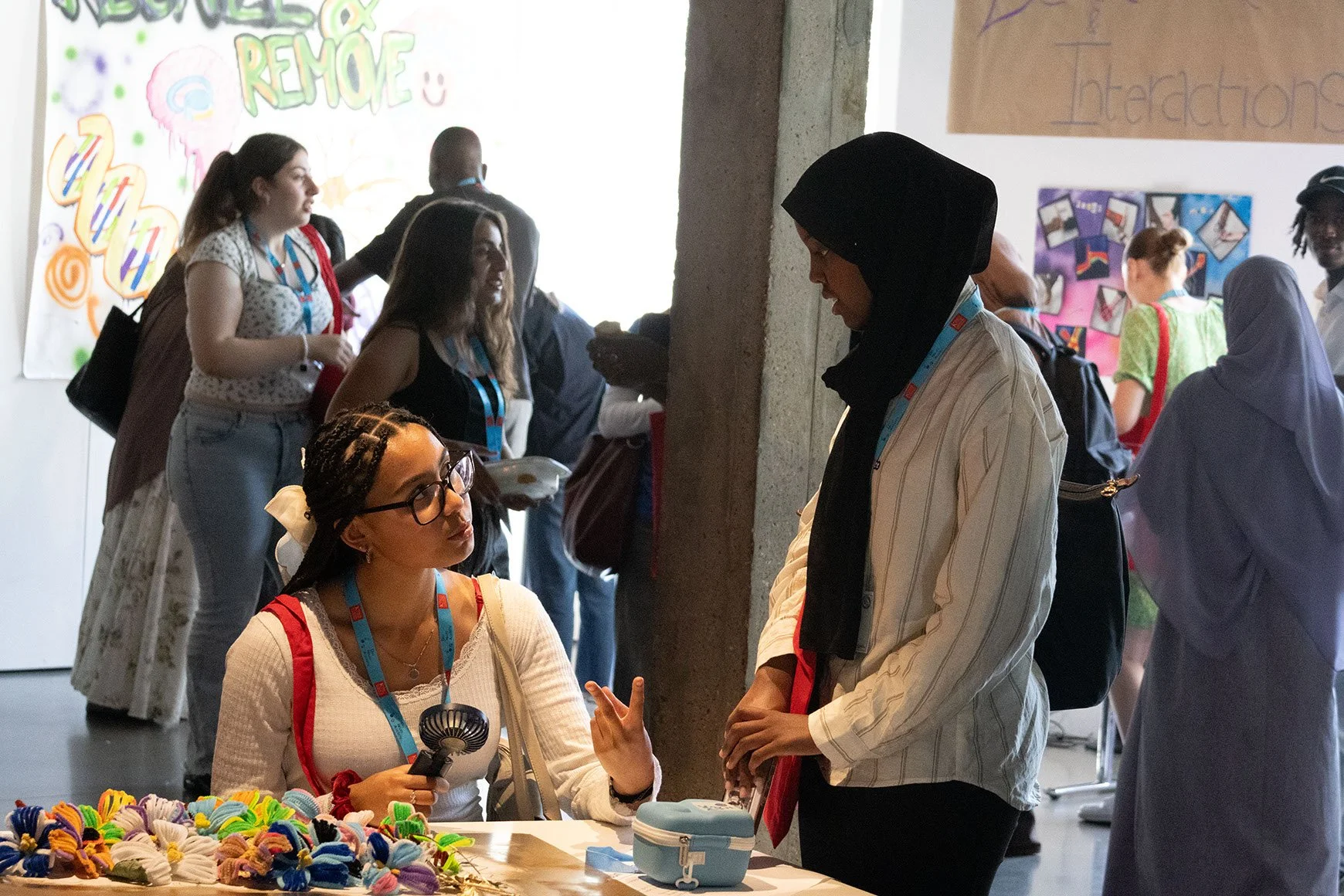
On arrival in the room, audiences were invited on a journey through the DNA CREATE week, from self-portraits, to creative reflection. Results of the DNA Carousel were installed across the room:
● Bubble prints to demonstrate growth & decay,
● Ink branching patterns,
● Music expressed through visual mediums - sculpture & image,
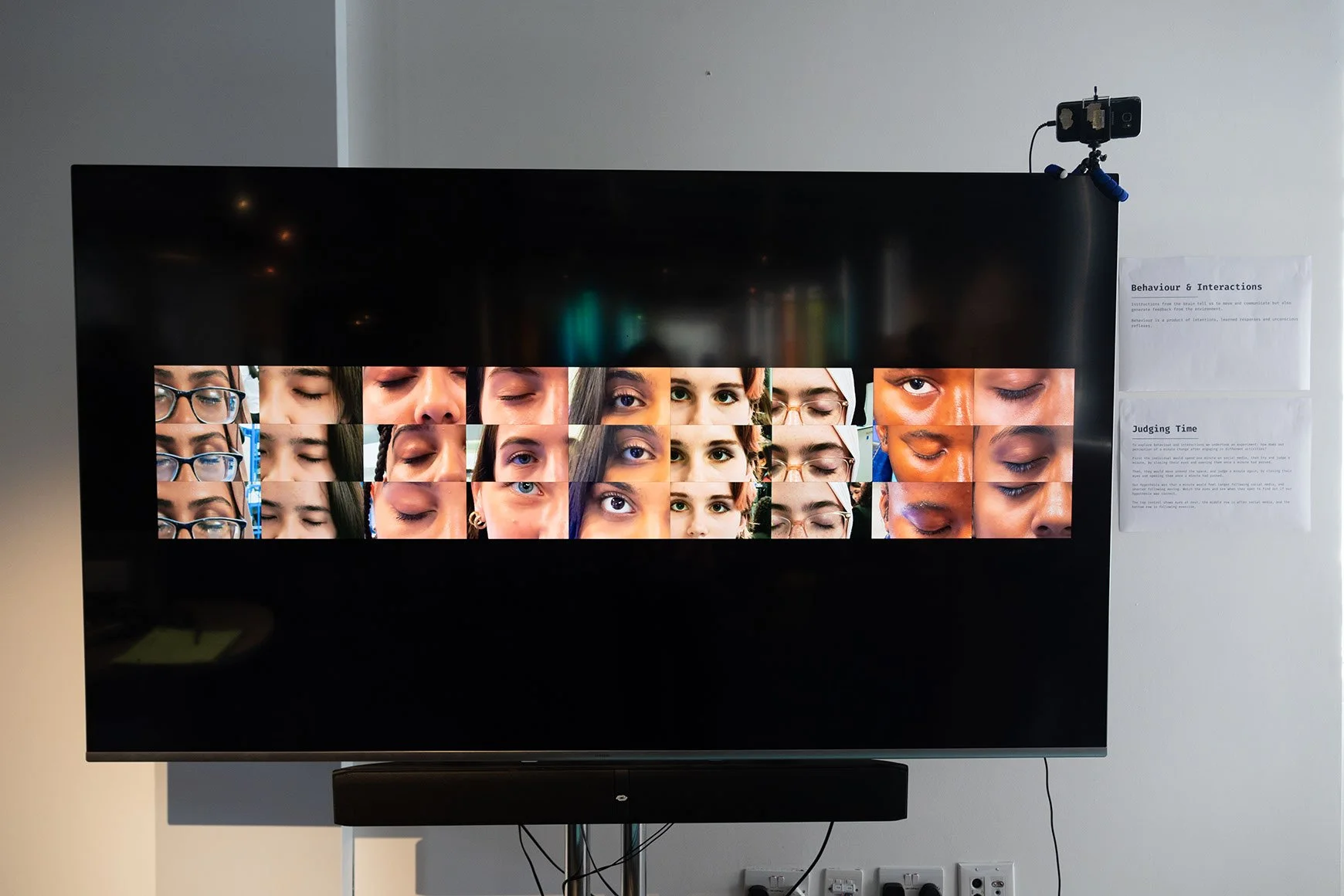
● A short film of participant’s eyes showing their experience of a minute after different activities.
Group Presentations
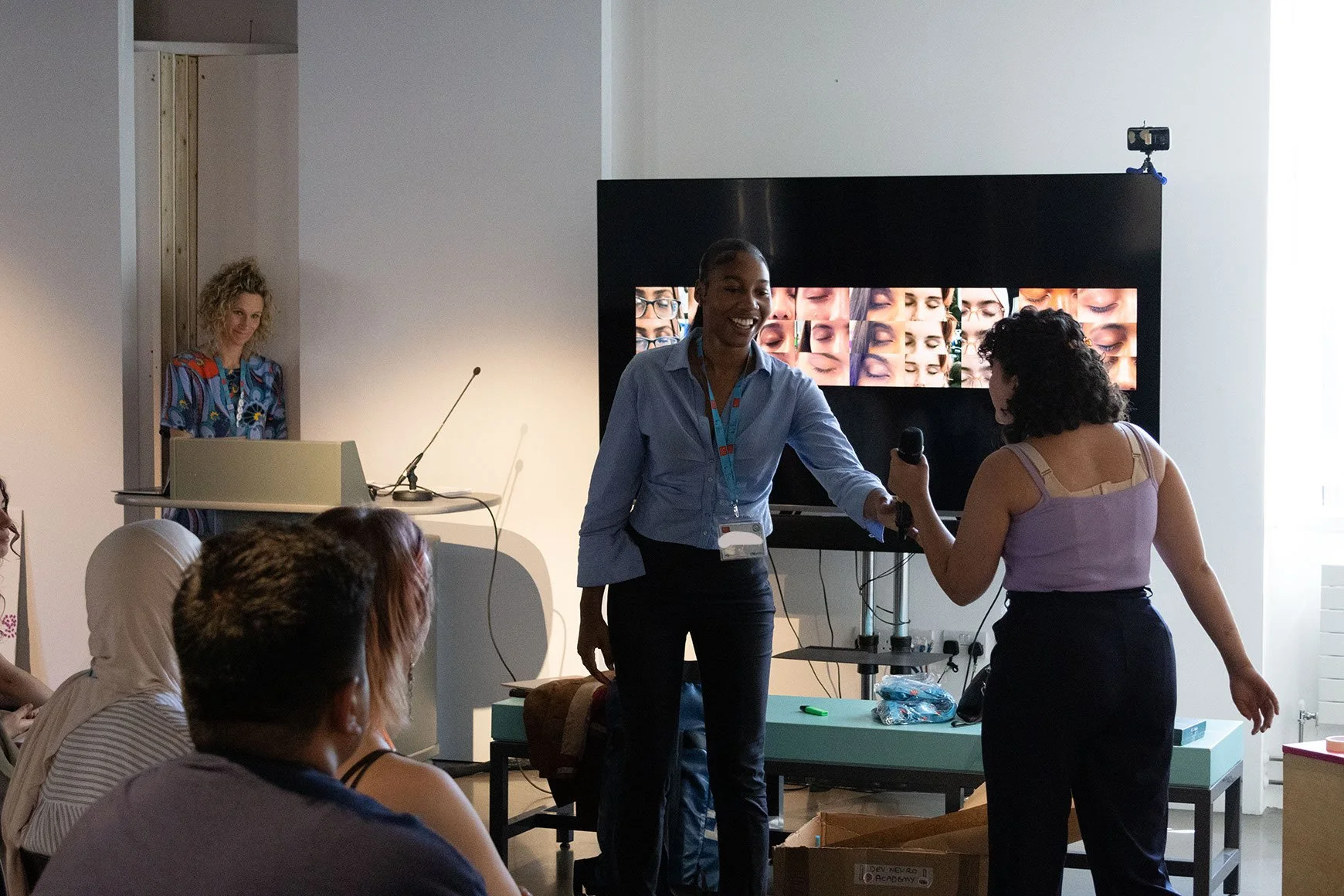
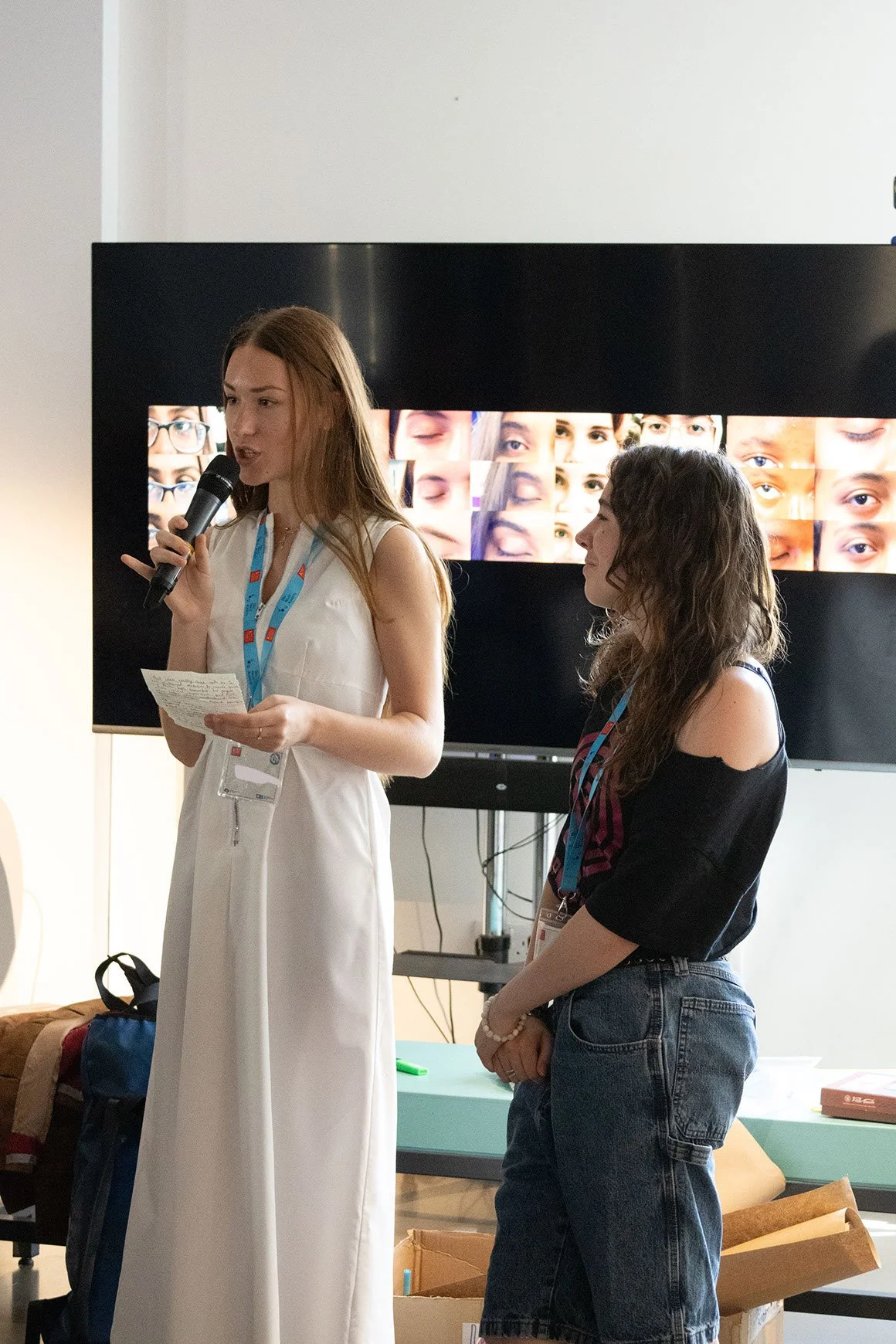
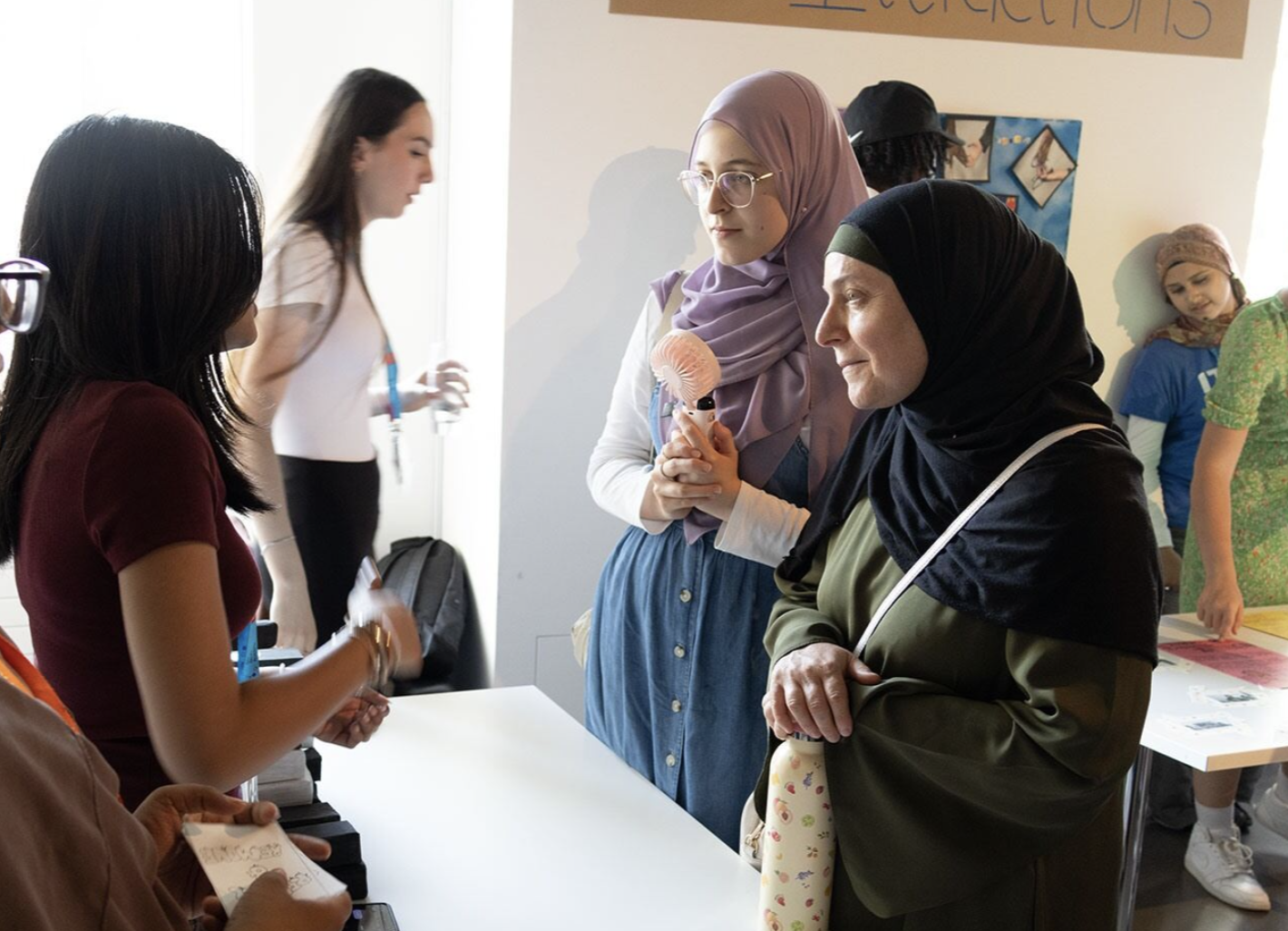
The event began with Group Presentations, an opportunity to hear a little about each of the projects. After the presentations, audience members were invited to review projects across the room, and experience each of the pieces for themselves.
Growth, Maintenance & Decay
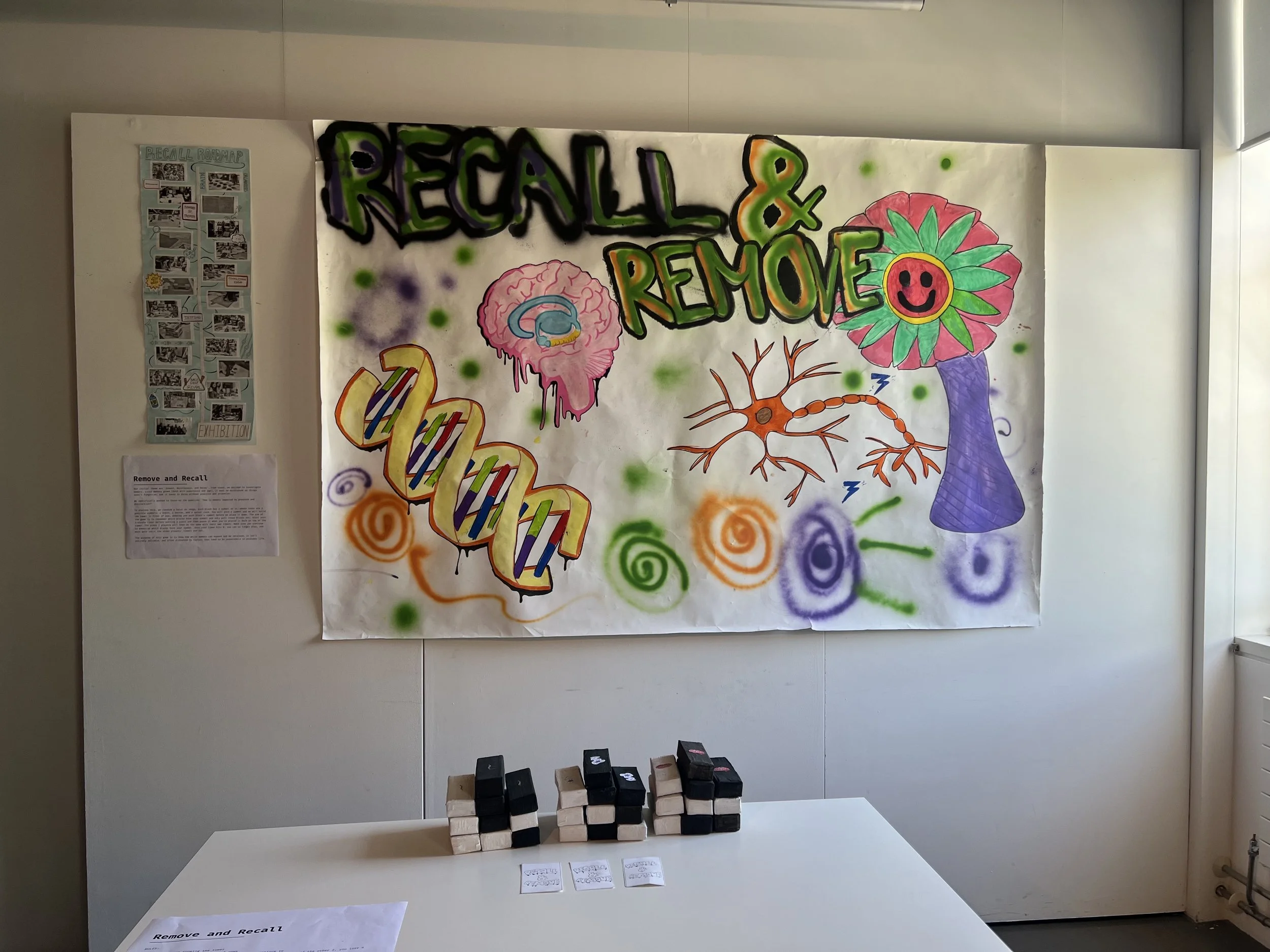
Remove & Recall
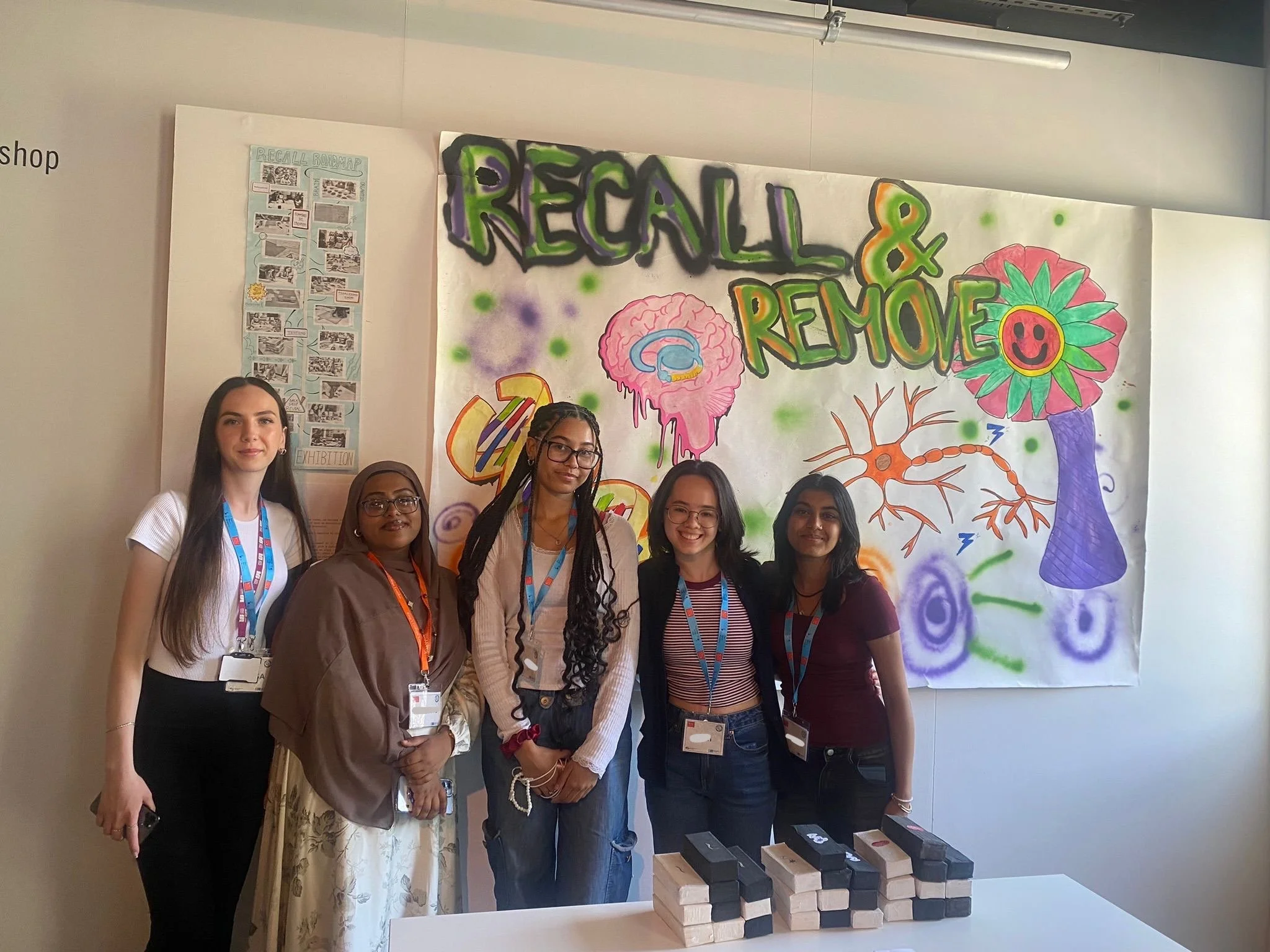
This group’s initial theme was Growth, Maintenance, and Decay. From there, they decided to investigate memory, since memory grows (both with experience and age), it must be maintained so things aren’t forgotten, and it tends to decay without practice and attention. They specifically wanted to focus on the question: How is memory impacted by pressure and distraction?
The purpose of the game was to show how while memory can expand and be retained, it isn’t entirely reliable, and often distorted by factors that tend to be unavoidable in everyday life.
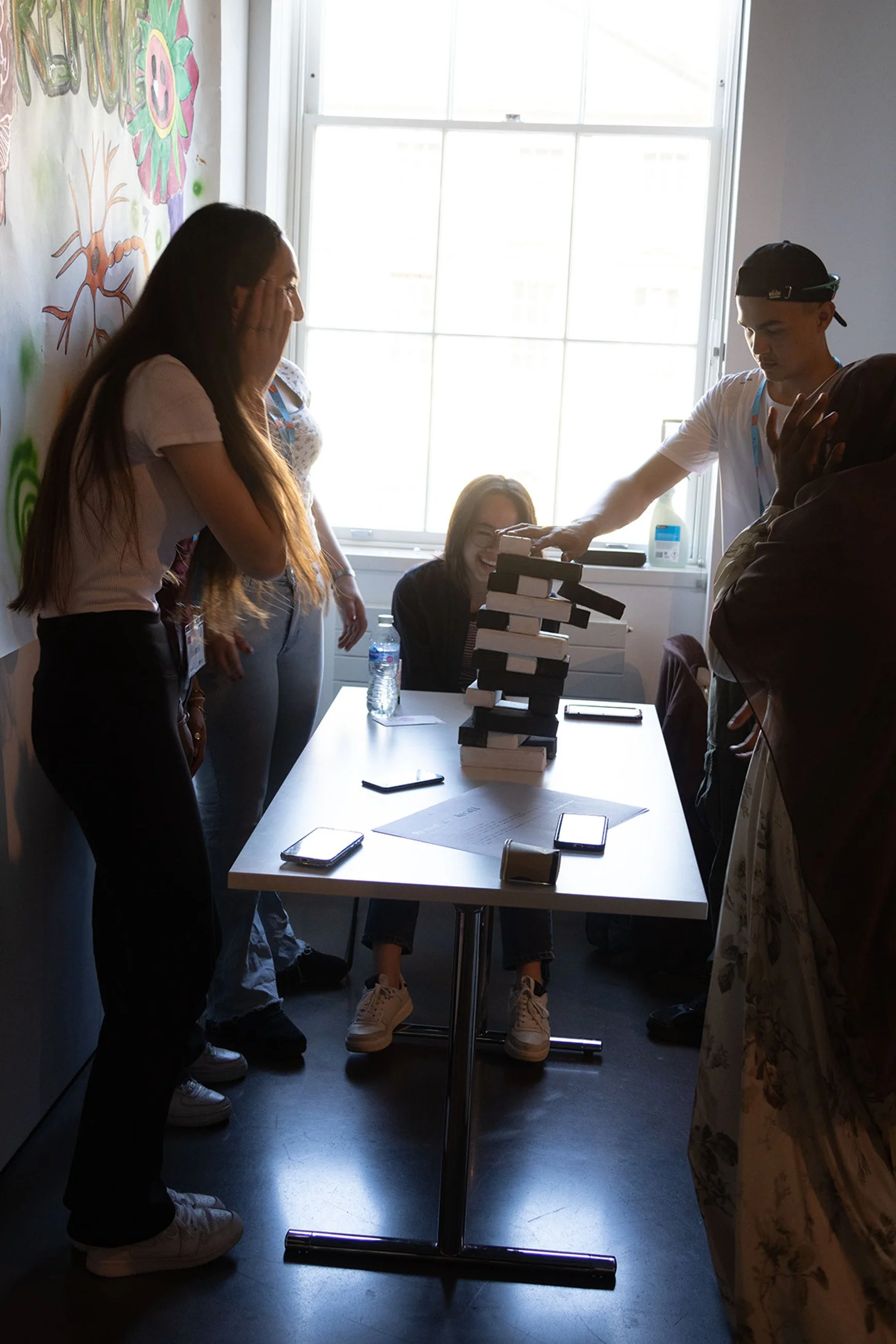
To explore this, they created a twist on Jenga:
❖ Remove & Recall was played by groups of three players together.
❖ The game uses jenga blocks, where each block has one of three possible symbols on it: a brain, a neuron, and a spinal cord.
❖ Players would each pick a symbol and then the group would build a tower in front of them, showing the players each block’s symbol before they placed it down.
❖ The aim of the game was to remember which blocks had the player’s symbol and only pull those blocks out.
❖ Players would pull blocks from the tower and then place them at the top, aiming to always just pull out their own symbol.
❖ Each player only had three minutes to pull and place blocks.
Growth, Maintenance & Decay
The Brain in Bloom
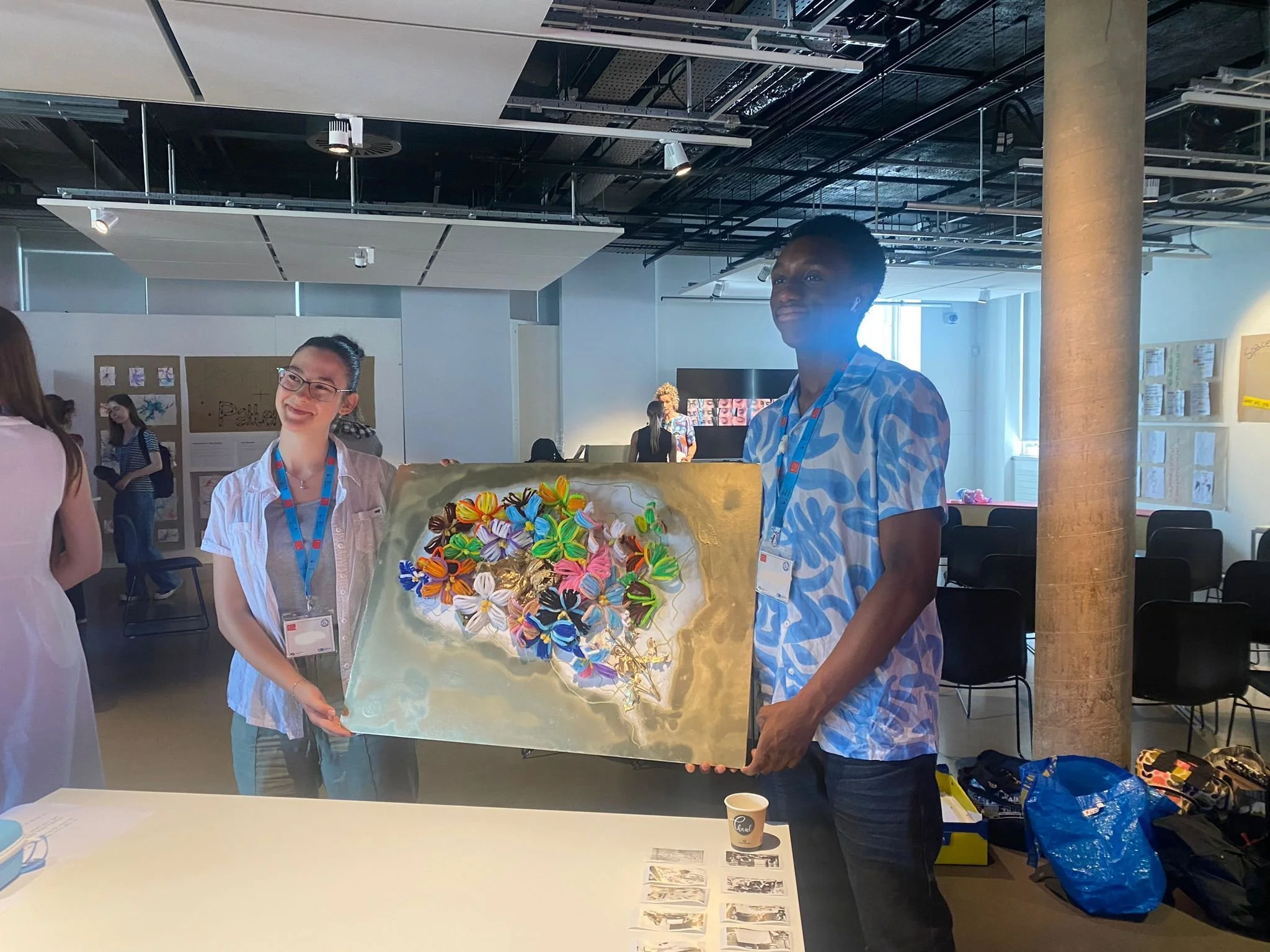
This group made a representation of a brain using flowers to show areas of decay and bloom.
The gold flowers represent how, when areas of the brain die, others will work harder to replace and compensate for lost connections to maintain brain function. This shows the intimate interplay between growth and decay in brain function. They were inspired by cases of brain trauma where patients were still able to function despite the loss of tissue.
Signalling
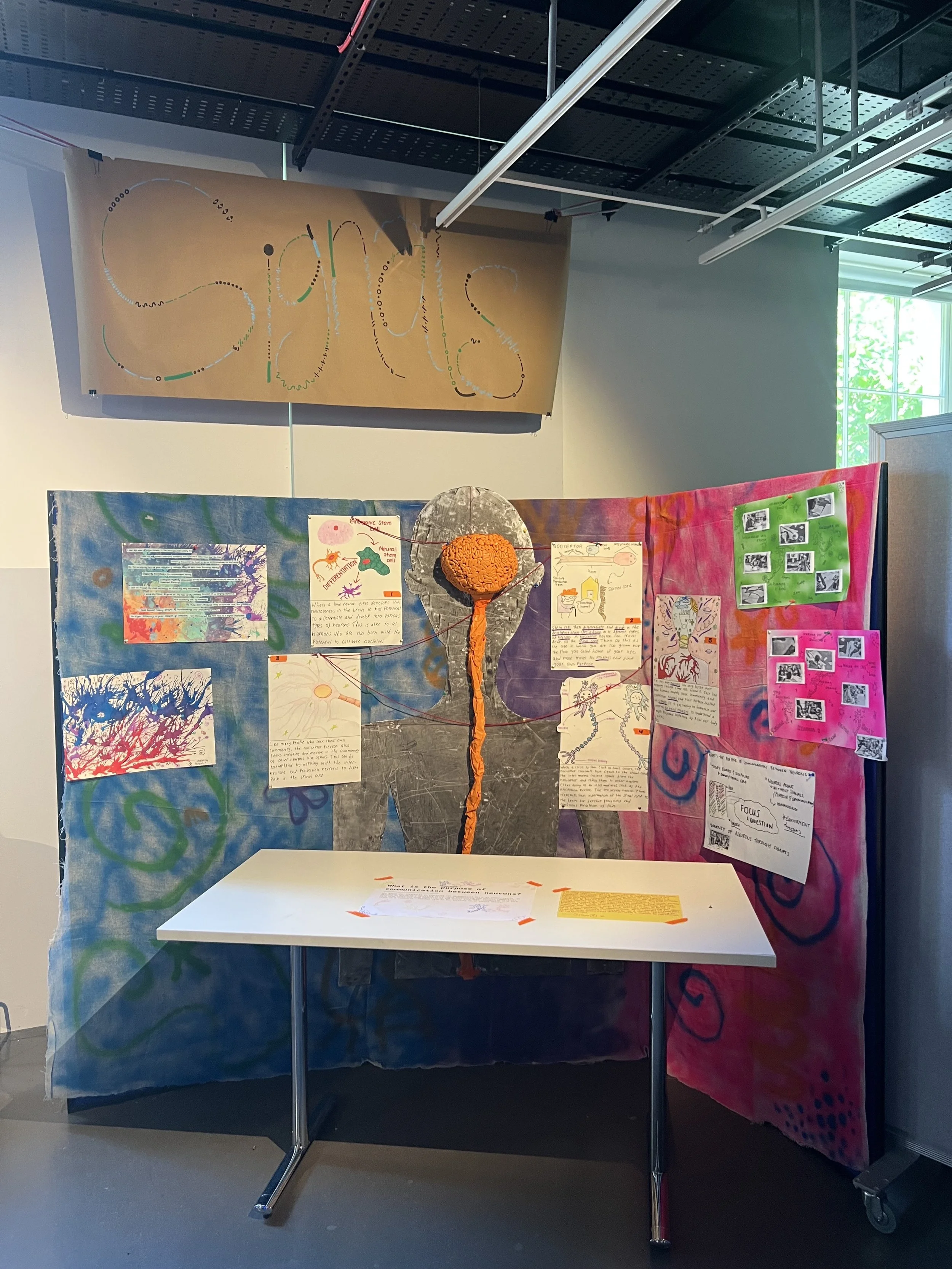
What’s the purpose of communication between neurons?
This group was interested in exploring the metaphorical basis of communication. They decided to build a narrative story board exploring how neurons communicate with each other, drawing parallels to how humans also need connection with each other in a community - whether this be for survival or an innate desire.
Signalling
Pain Blooms
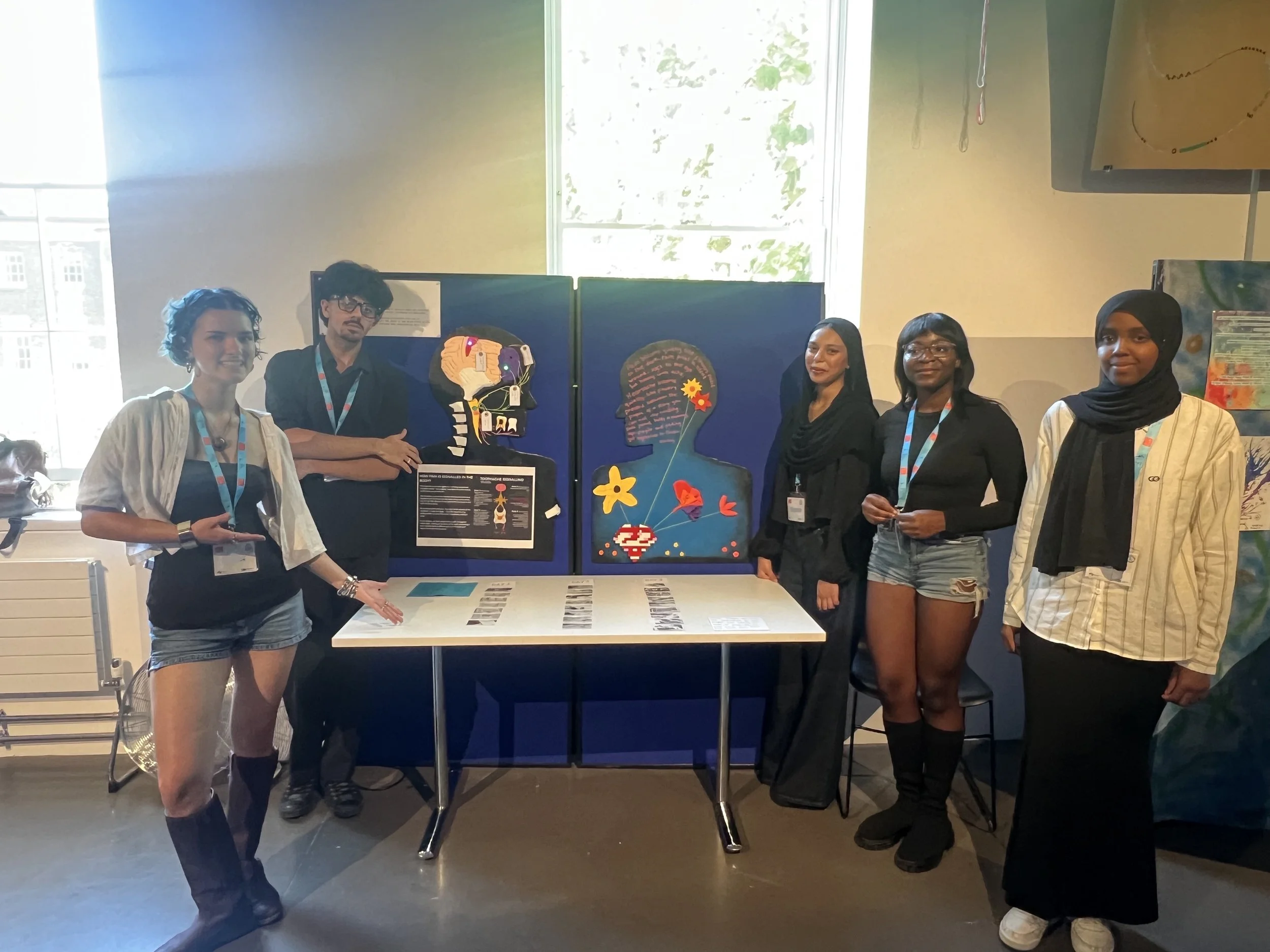
This piece explored the complex relationship between physical pain and emotional pain through the representation of two common states: Toothache and heartache. Audience members were invited to learn, by comparing physical sensations that may be experienced in both states, and interacting with the tooth to see which areas of the brainlight up, just as they would inside the body when experiencing pain.
Branching & Patterning
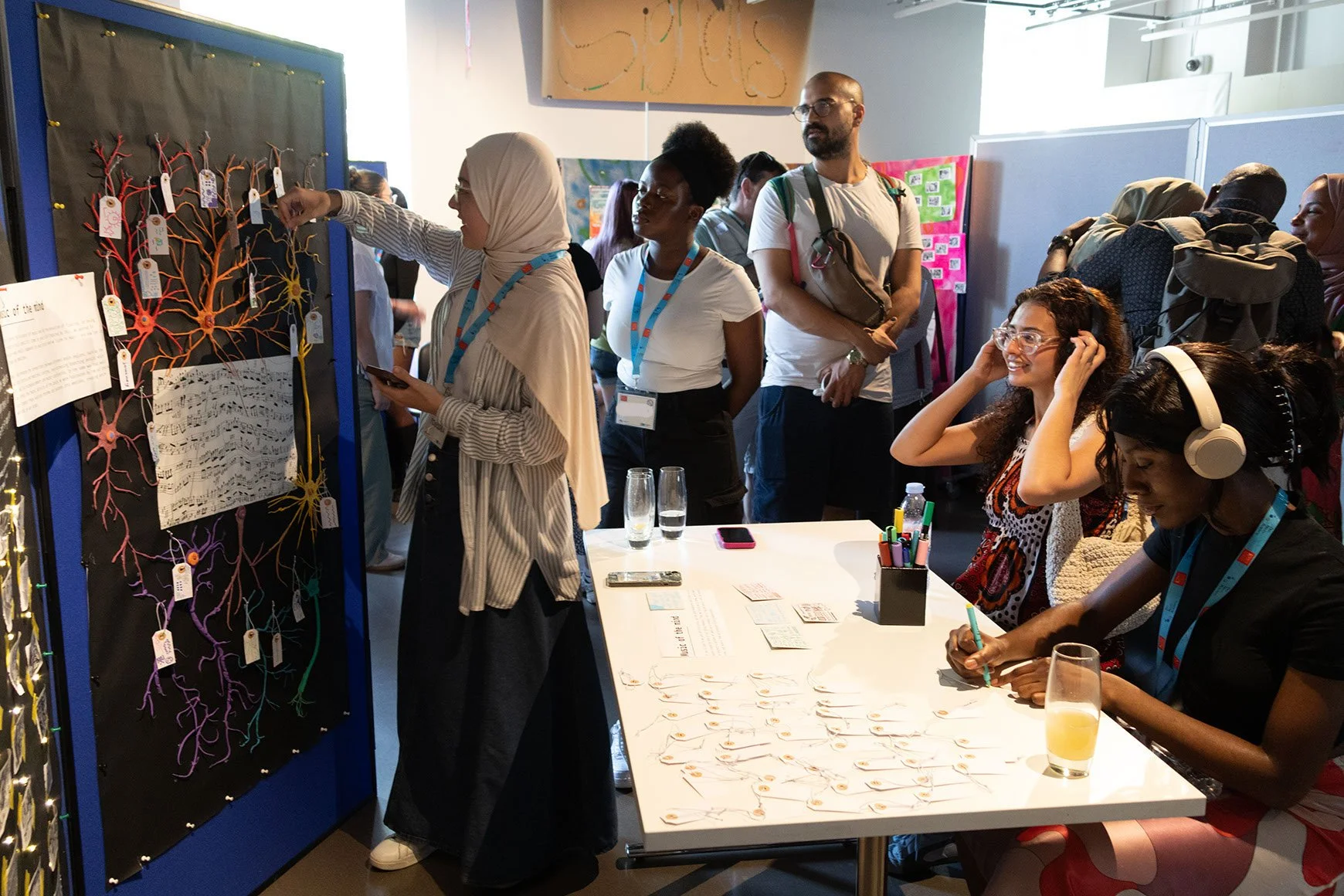
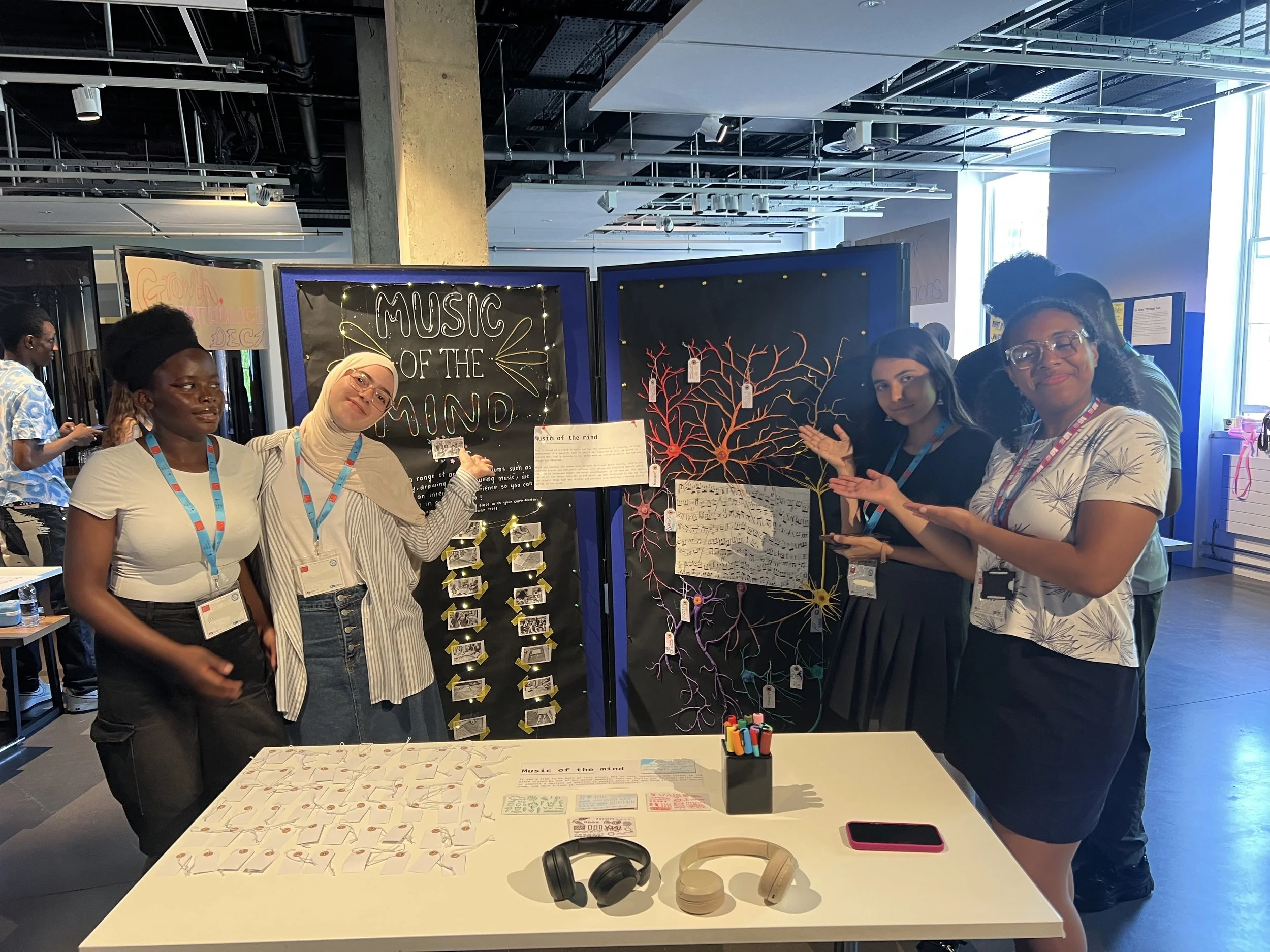
Music of the Mind
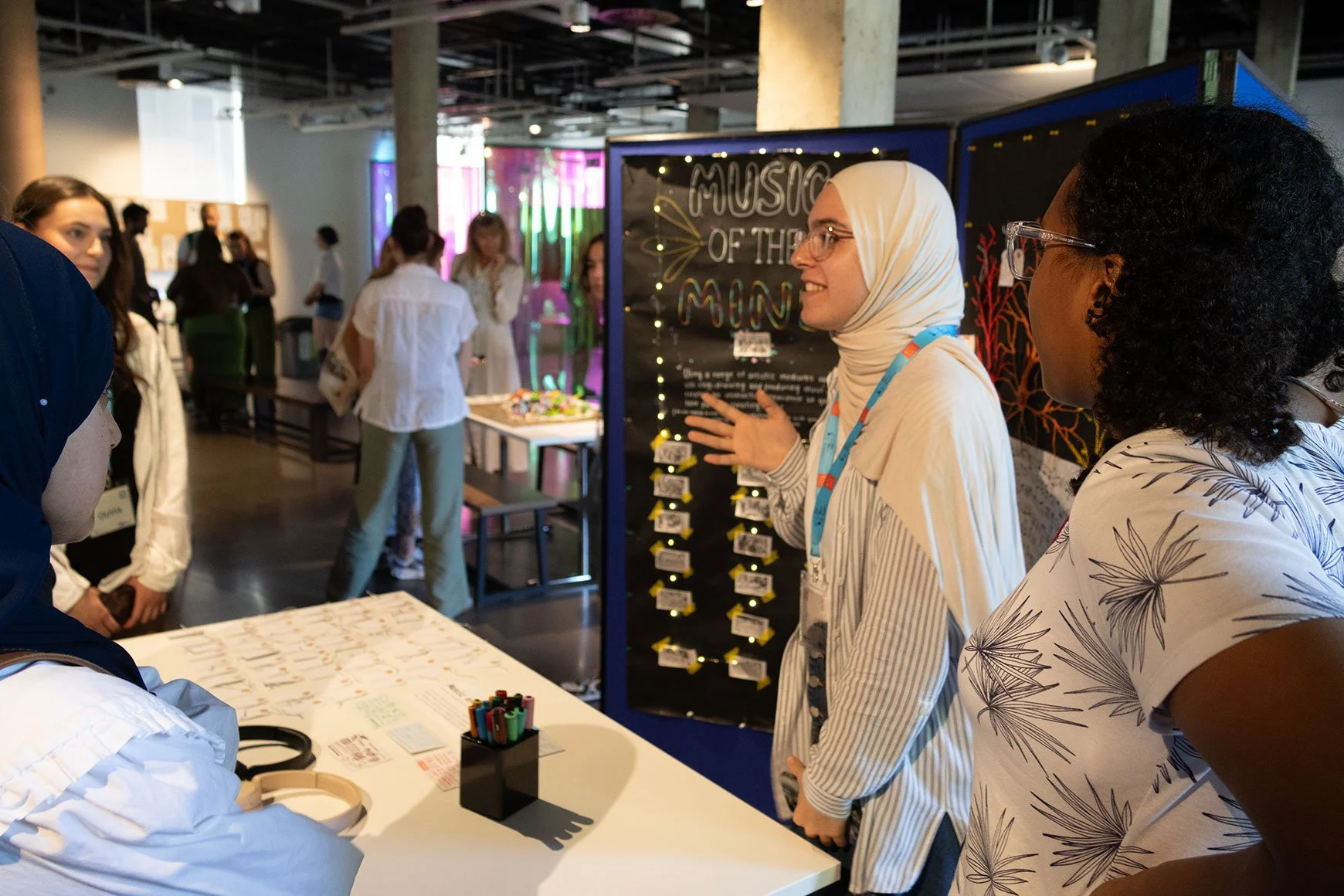
Ever listened to a piece of music and had the sensation of floating, or being transported to a specific time in your life?
Music can enhance the connections between different brain regions, such as the auditory cortex and emotional centres, even increasing branching density which can lead to increased memory and motor coordination. In the same way that music can affect the neural activity of the brain, they were fascinated by how brains can convert these auditory rhythms and patterns into emotions, creating entire worlds in our minds.
Inspired by this, this group wanted to explore what really happens in our brain when we listen to music, and how it can change our emotions.
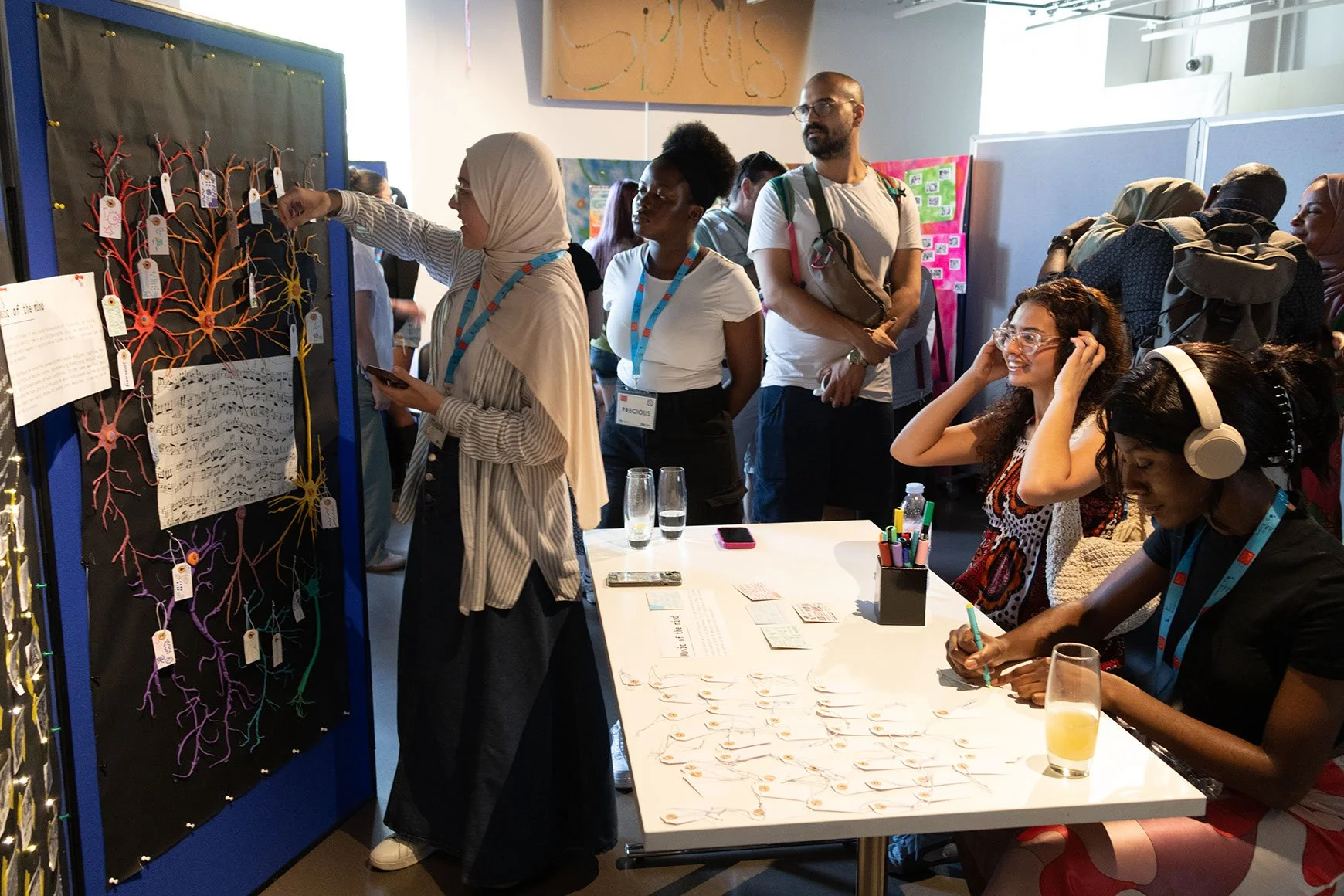
Audience members were invited to put on some headphones and listen to the piece played by one of the group members. Then they were invited to draw, write down or express a pattern of emotion they experienced while listening to the music, printing this onto a tag and hanging it on a neuron tree.
Branching & Patterning
Rejection is Redirection
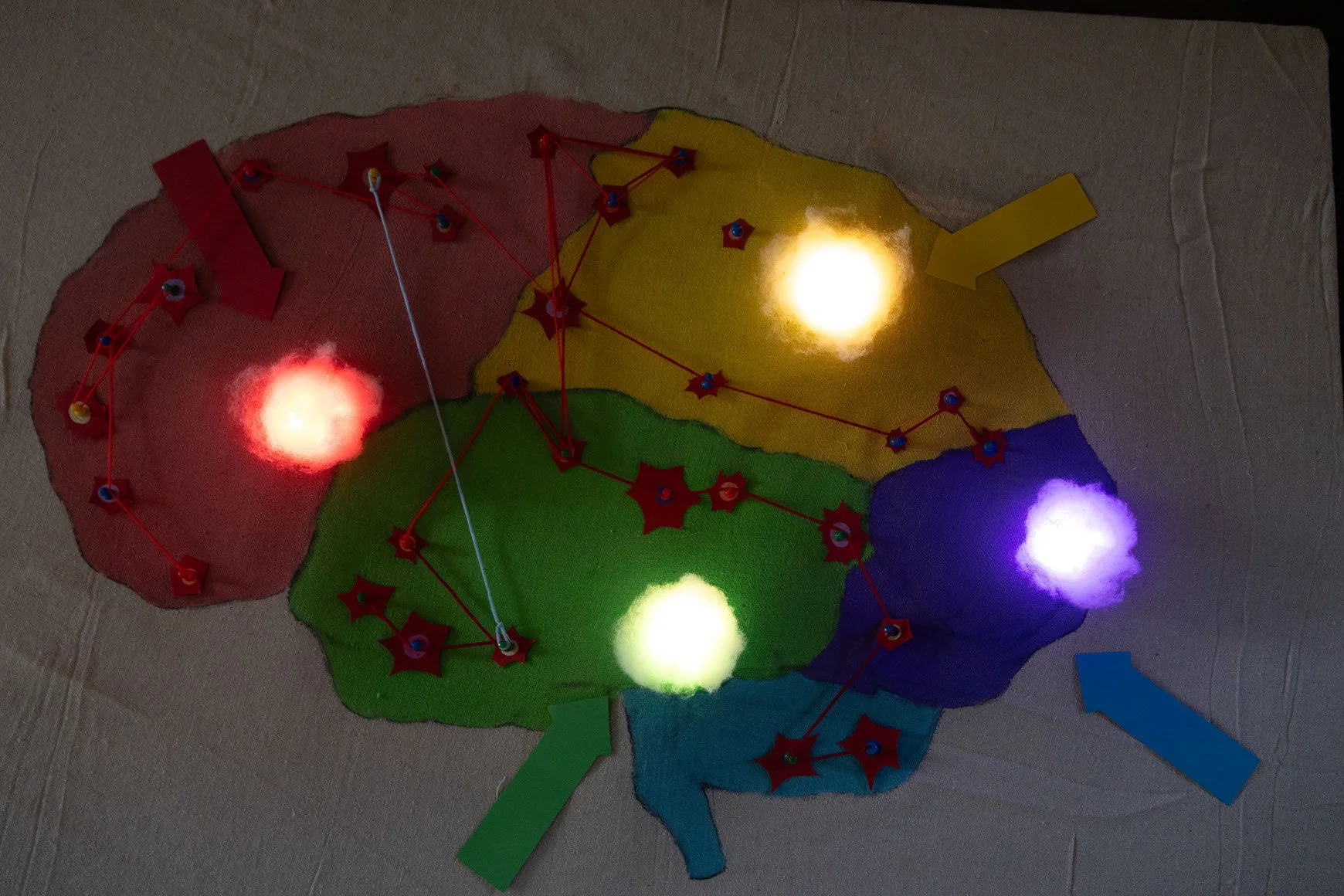
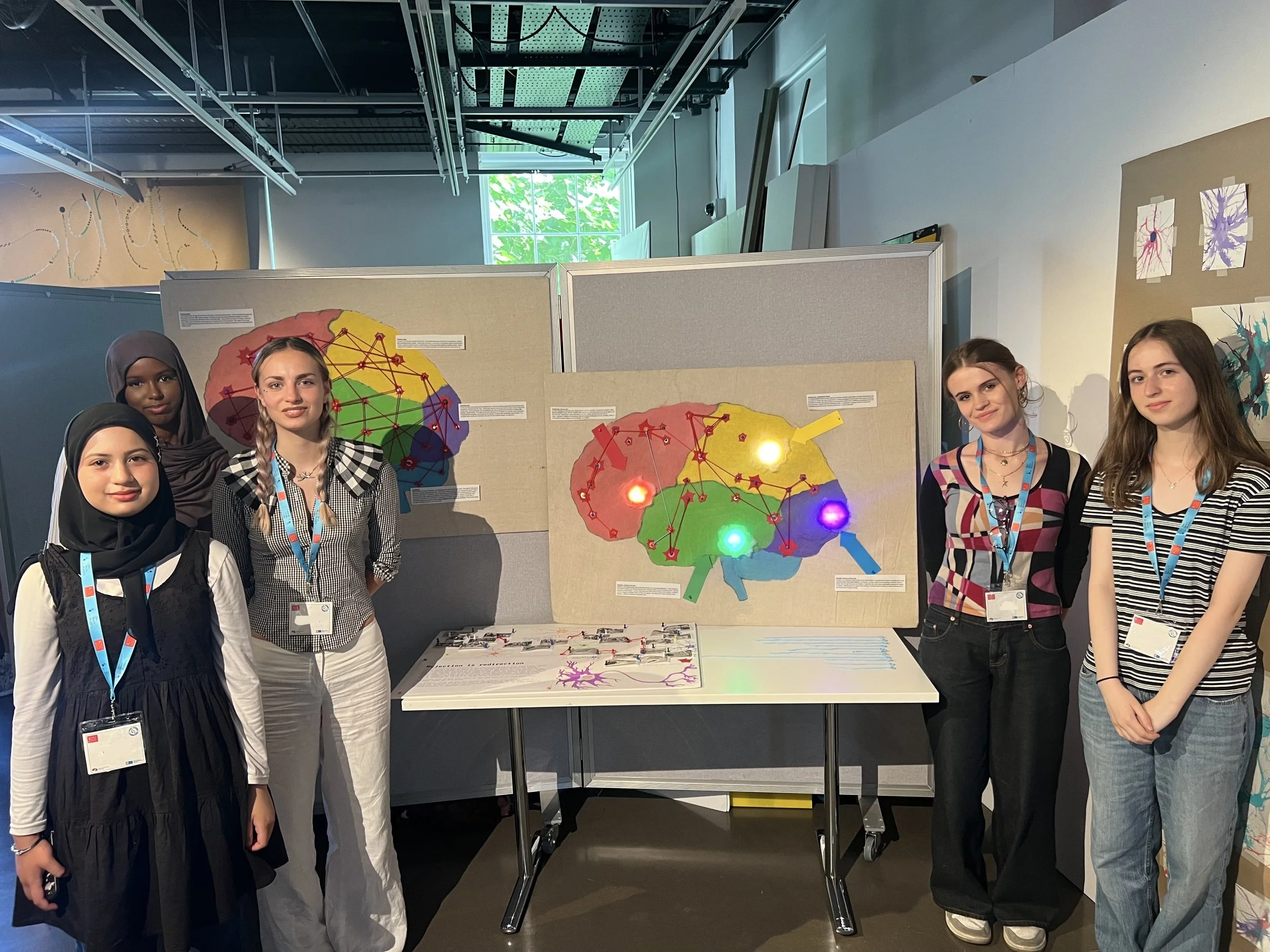
For this project the group were inspired by their experience looking at real human brains. They found it really interesting learning about the extent to which functions are localised to specific areas in the brain. This can be used to predict the symptoms experienced by stroke victims.
When the brain experiences a stroke (brain damage due to loss of oxygen supply in the brain) the damaged areas can’t regrow. Instead, neurons in other areas of the brain grow new connections in order to compensate for the damage, often taking over the roles of the damaged areas. The ability of the physical structure of the brain to change during learning is called brain plasticity.
To represent this, the group used lights to show some areas of the brain which could experience trauma due to a stroke.
Audiences were invited to add more yarn between the neurons of the damaged brain to represent the formation of new connections in undamaged areas. Through participation, they hoped audiences would witness the regeneration of functions in the stroke brain via increased branching in undamaged regions.
Behaviour & Interaction
The Brain through Touch
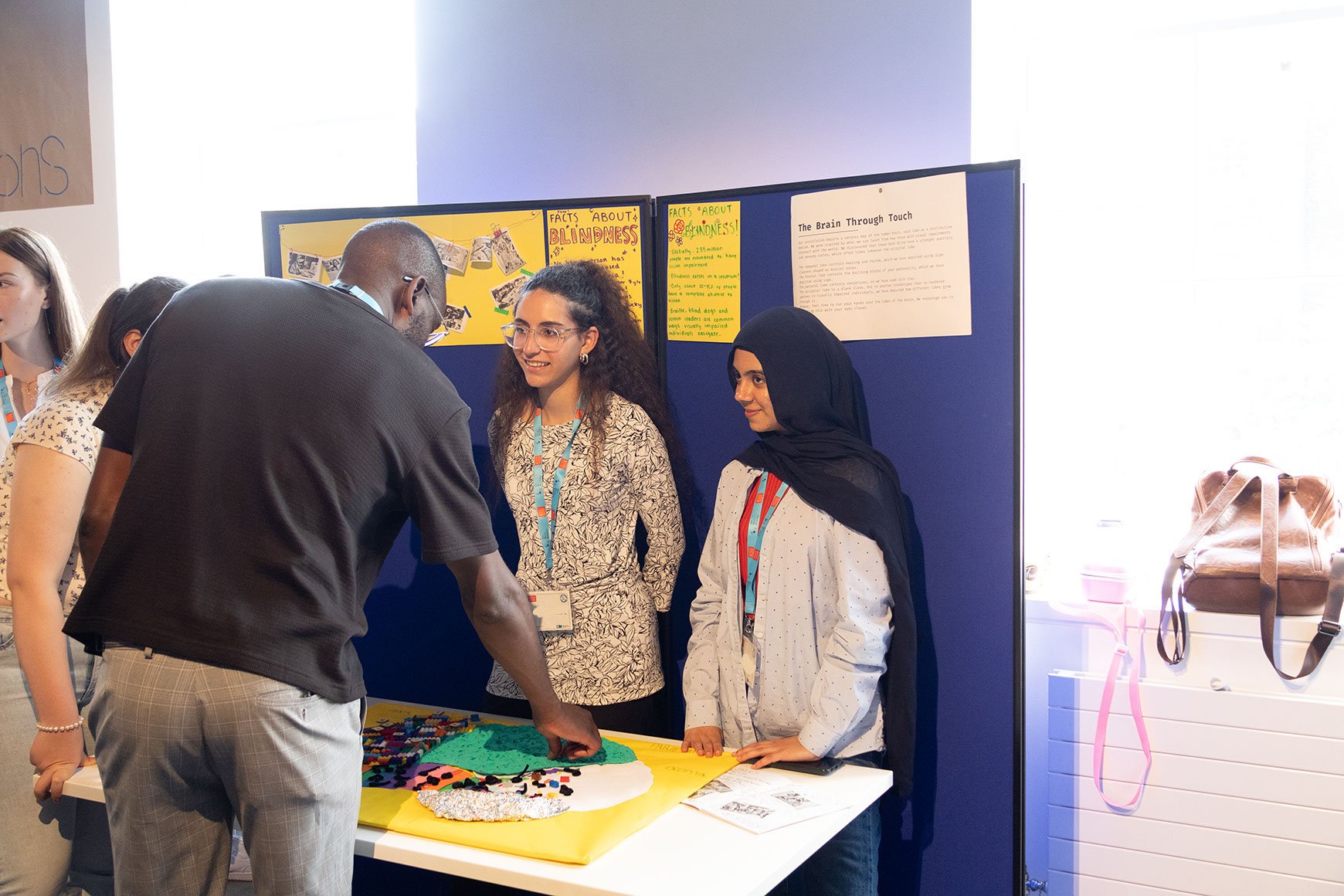
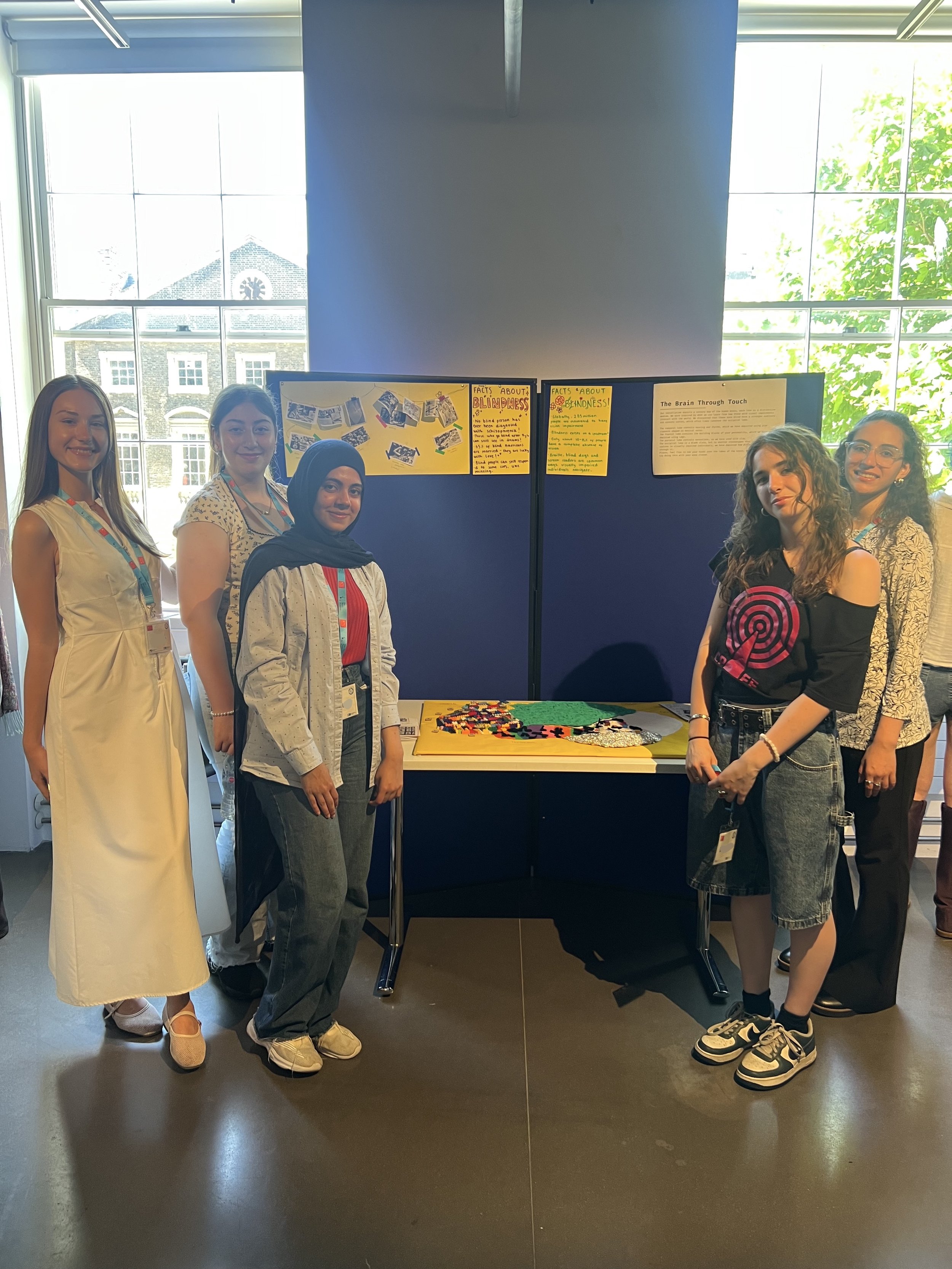
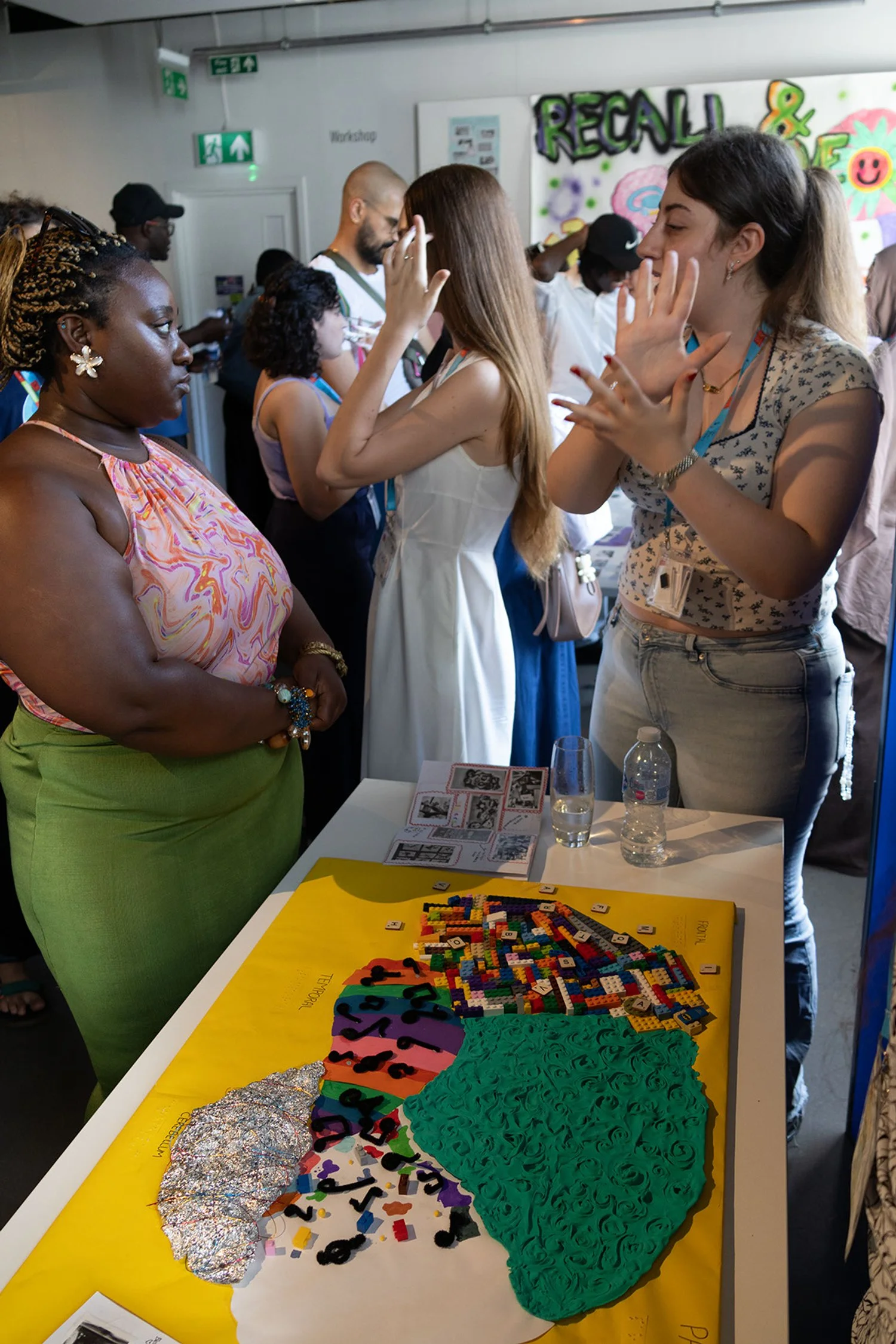
This installation depicted a sensory map of the human brain, each lobe as a distinctive medium. The group were inspired by what we can learn from how those with visual impairments interact with the world. They discovered that those born blind have a stronger auditory and sensory cortex, which oftentimes takes over the occipital lobe.
In their installation:
The temporal lobe controls hearing and rhythm. This installation depicts this using pipe cleaners shaped as musical notes.
The frontal lobe contains the building blocks of your personality. The installation depicts this using Lego.
The parietal lobe controls sensations. The installation depicts this using silk clay.
The occipital lobe is a blank slate, but to shatter the stereotypical idea that this lobe is rendered useless in visually impaired individuals, the installation depicted how different lobes can adjust to grow through it.
In the installation audiences were invited to run their hands over the lobes of the brain, and encouraged to try doing this with their eyes closed.
Branching & Patterning
The Heat of our Actions
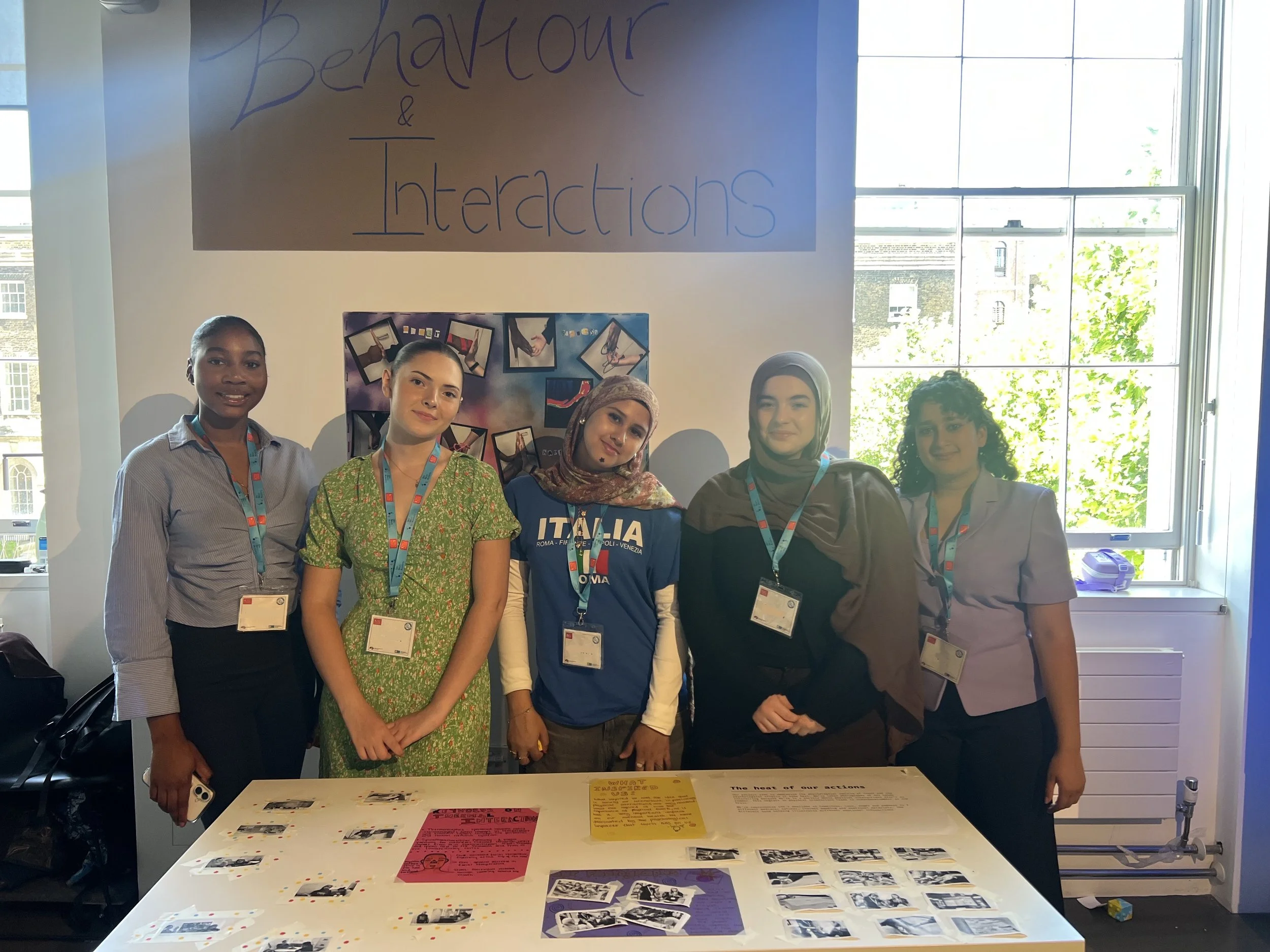
This project aimed to emphasise the physiological results of touch and the psychological effects of body heat. They took photographs of hands interacting, because we’re in a society where physical interactions aren’t so common. This neglect in physical interaction leads to underdevelopment in the brain.
The group represented the emotions of: happiness, love, anger and sadness in 3 different mediums; natural, thermal mapping and emotional materials. The different hand holding illustrates different emotional interactions.
Q&A
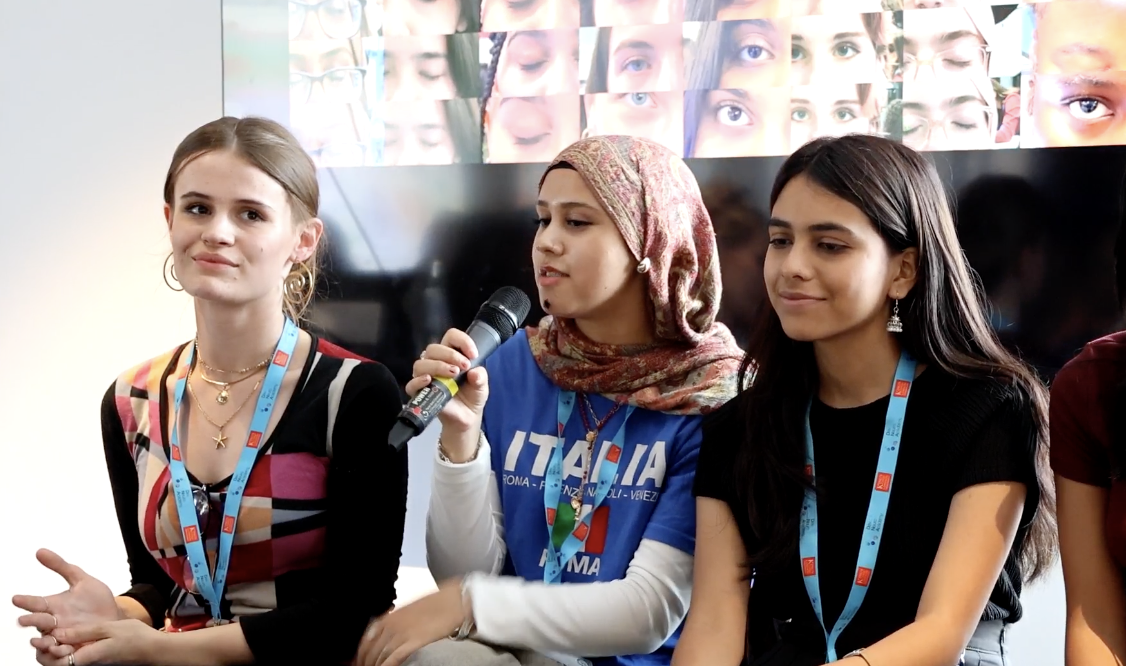
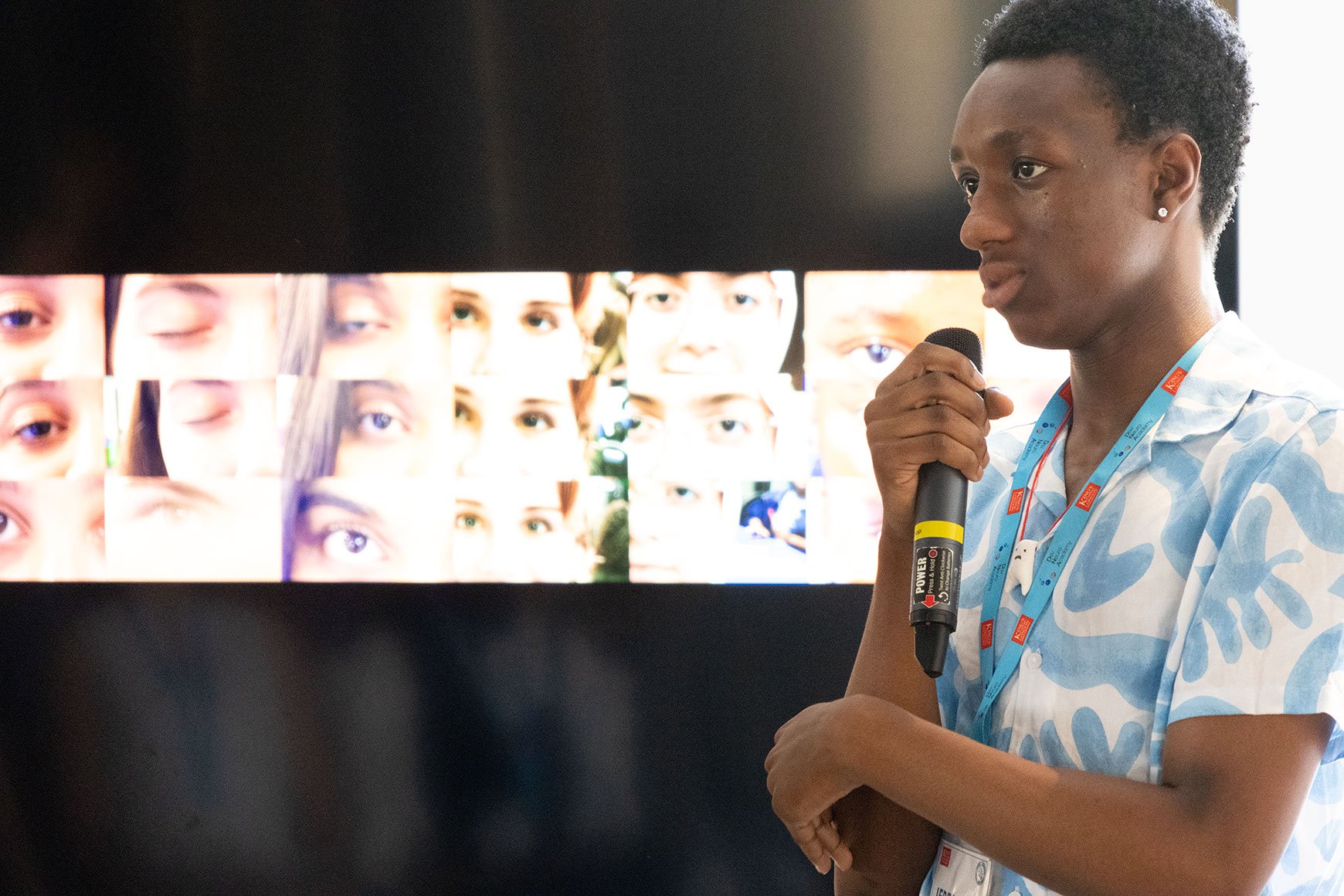
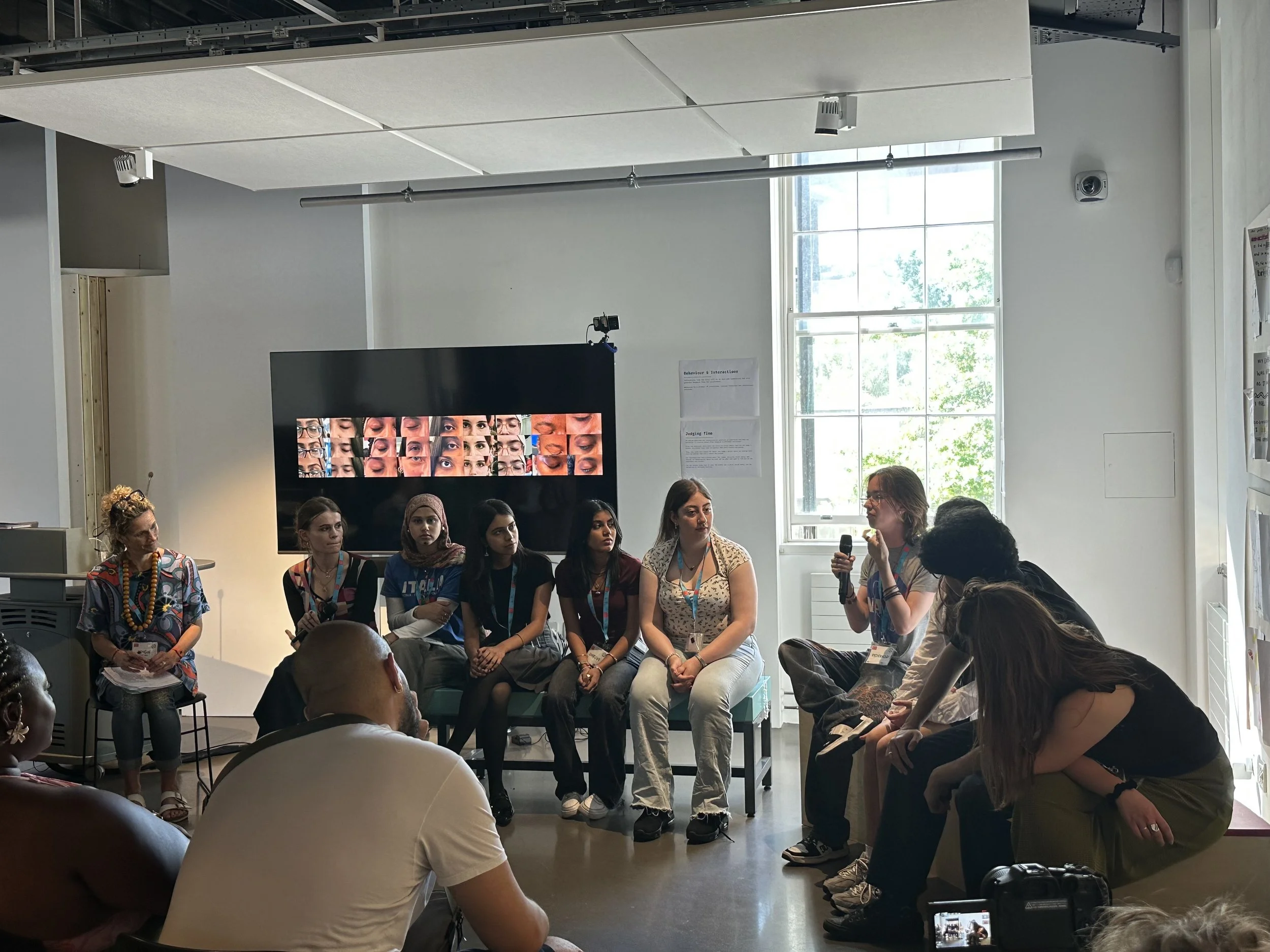
Central to the Exhibition was a Q&A. One member of each group joined a panel to answer questions from the team and the audience. This Q&A was an opportunity for DNA CREATE participants to speak publicly, share their experience and reflect on the experience of the week and the new approaches, perspectives and possibilities offered to them.
“I think being able to see real lab work, how it actually is here, and how sometimes the most obvious path isn’t always the most effective, was one of the most interesting things I’ve ever gotten to do in my life. Being able to see how scientists can take something that is a problem and turn it into a solution for something. that nothing short of almost like a miracle. It was incredible for me to spend time with researchers and people involved who are so far down the path that I want to take, and being able to see almost myself in 15 years.”
“I feel like one really like special thing about all the students here is that we all take such a range of subjects and we all bring different skillsets to the table. There’s someone here, who centred a piece around, making music, and played piano, and someone else that wrote an entire poem, which was really beautiful. I just feel like being able to work with people who have such a wide variety of skills is always really important and it gives you a really fresh perspective on how to interpret something, especially something as vast as neuroscience.”
“So when I first came to DNA CREATE no one here is from my school and I feel like there’s a few people who go to the same school and they have friends already. I think socialising and communicating with a whole new lot of people in such a short amount of time was difficult. But, luckily my team, they’re all lovely and I’ve met some amazing friends here and I’m going to take that away. And I think another big challenge that I faced was, our original plan had to be changed due to Mel’s feedback and I’m so glad we’ve got Mel actually, because I think your directions took our project to something completely different and completely amazing and I completely agree with you now. So that redirection, we had to replan, rethink our materials in the span of two hours and complete the whole project in a really short amount of time. And yeah definitely, I think at the end of the day it’s the friendships, the people I’ve met, I’ll just take it away and it’s really amazing.”
“We all took different A-levels, different backgrounds. There were so many streams, so many different perspectives and skills used which is very helpful. I think most people didn’t know each other even though some people were from the same school, but I think it’s almost like you were thrown in the deep end. You got to work with mostly people that you didn’t know, on a project that you’d never really done before and I think that’s like a really important kind of skill to learn in life.”
Reflection & Evaluation
Before leaving, we invited audiences to reflect - to consider their experience of the exhibition, and the ideas explored in each of the projects:
What were they surprised by?
What were they leaving with?
What questions did they have?
The exhibition ended with a celebration of each of the participants and the work they had created over the DNA CREATE week together.